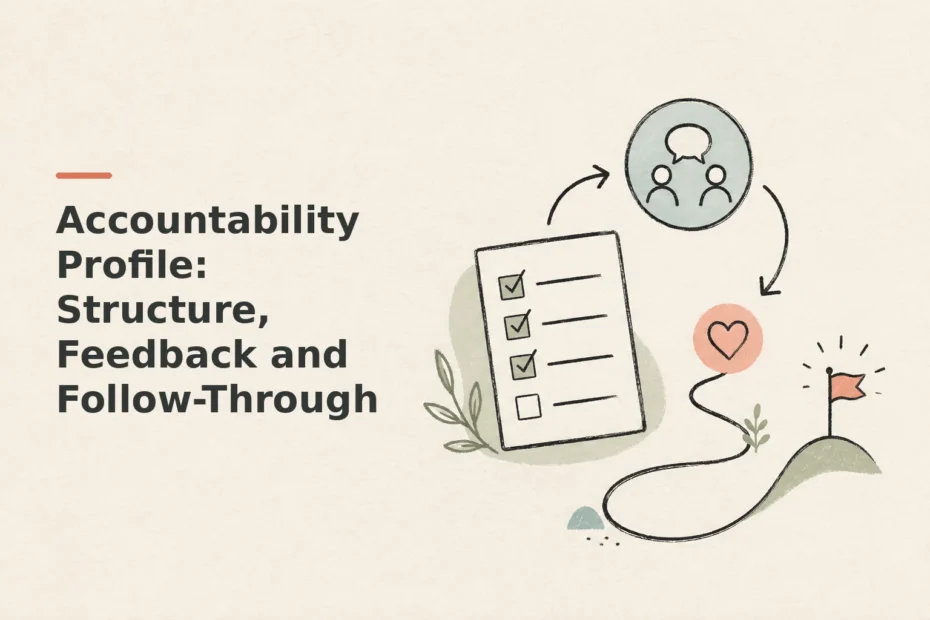
Accountability Profile: Structure, Feedback and Follow-Through
Use this original 24-item accountability profile to identify preferences for structure, tracking, support, challenge, autonomy and recovery after missed commitments.
Use this original 24-item accountability profile to identify preferences for structure, tracking, support, challenge, autonomy and recovery after missed commitments.
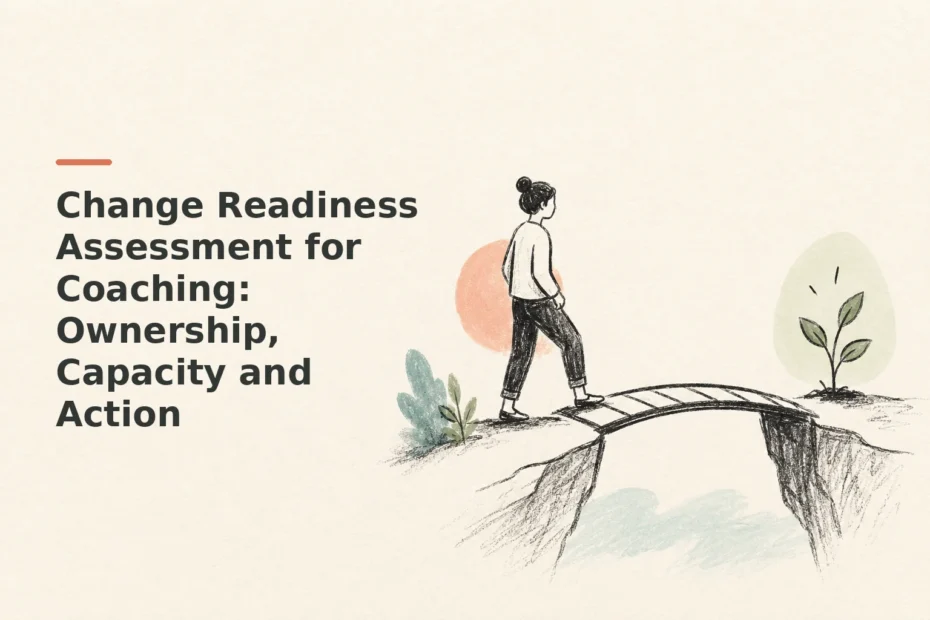
Use this original 24-item change readiness assessment for coaching to review discrepancy, ownership, ambivalence, confidence, capacity and willingness to experiment.
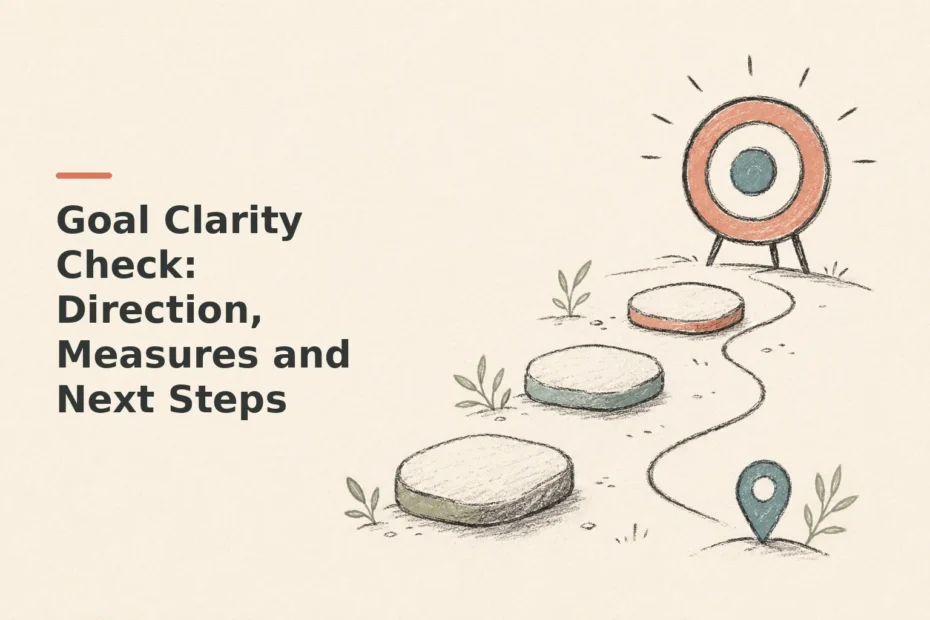
Use this original 24-item goal clarity check to review direction, ownership, observable outcomes, realism, milestones and adaptive review for one goal.
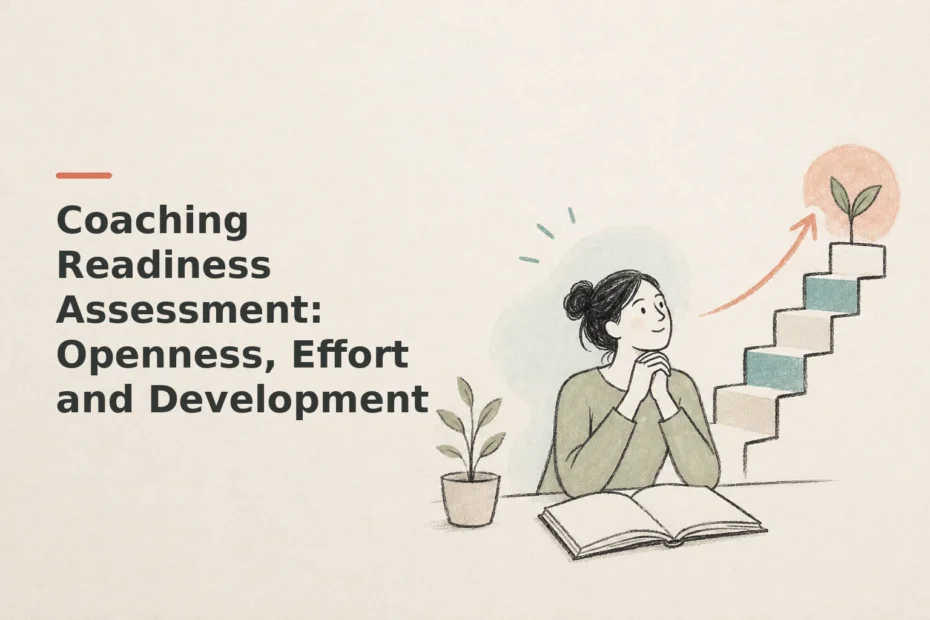
Use this original 24-item coaching readiness assessment to review openness, feedback engagement, ownership, capacity, experimentation and fit for coaching.

Use this original 24-item meaning in life reflection to review coherence, purpose, significance, belonging, engagement and active searching.
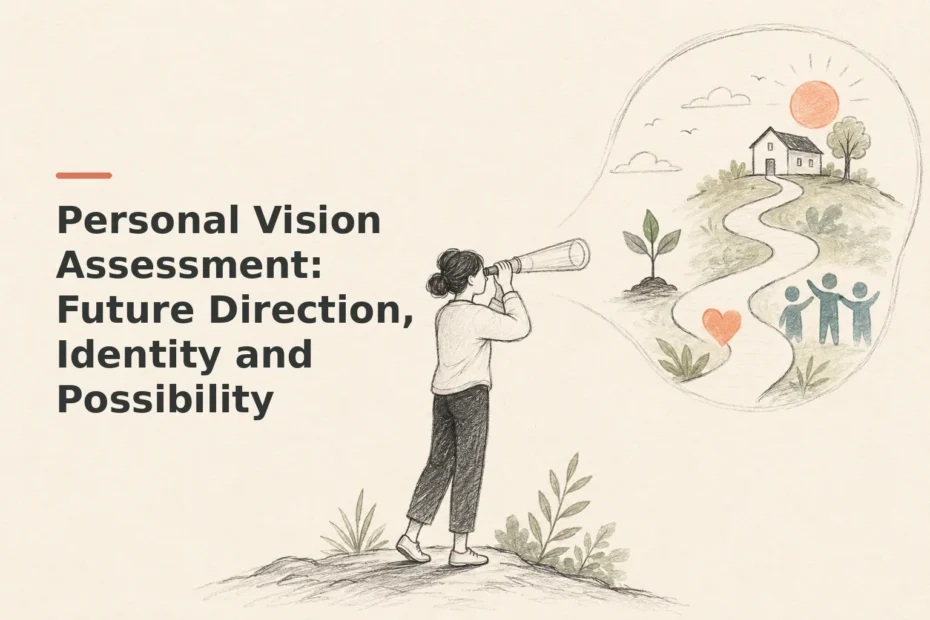
Use this original 24-item personal vision assessment to review future-self clarity, values, possibility, realism, pathways and adaptive direction.
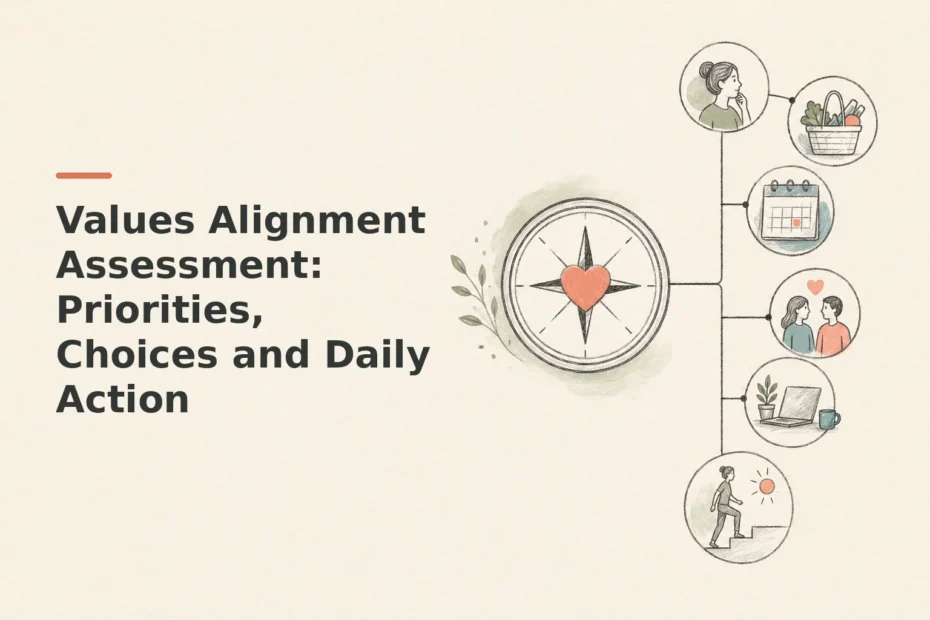
Use this original 24-item values alignment assessment to compare your stated values with choices, time, relationships, work and everyday behaviour.
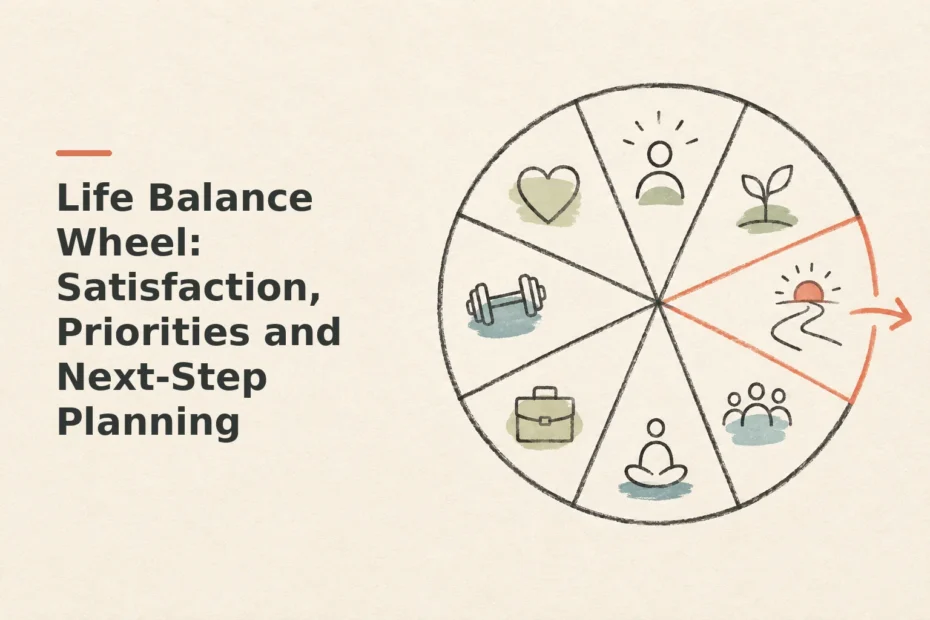
Use this original Life Balance Wheel to compare satisfaction, importance and desired change across eight major life domains.
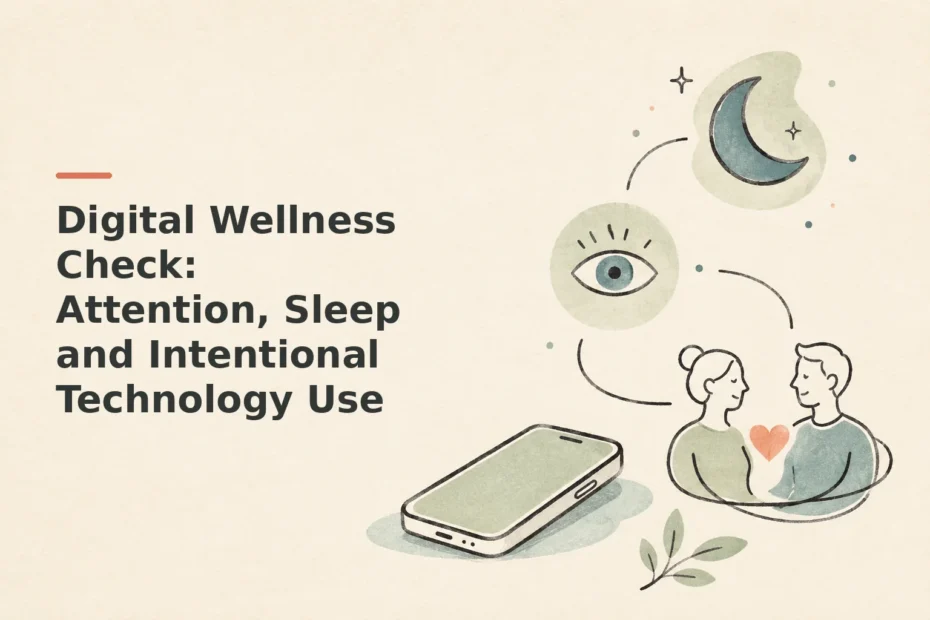
Use this original 24-item digital wellness check to review intentional use, attention, sleep, mood, relationships, safety and ability to disengage from technology.
Use this original 24-item time management assessment to review priorities, planning, time estimation, focus, boundaries and reflective adjustment.